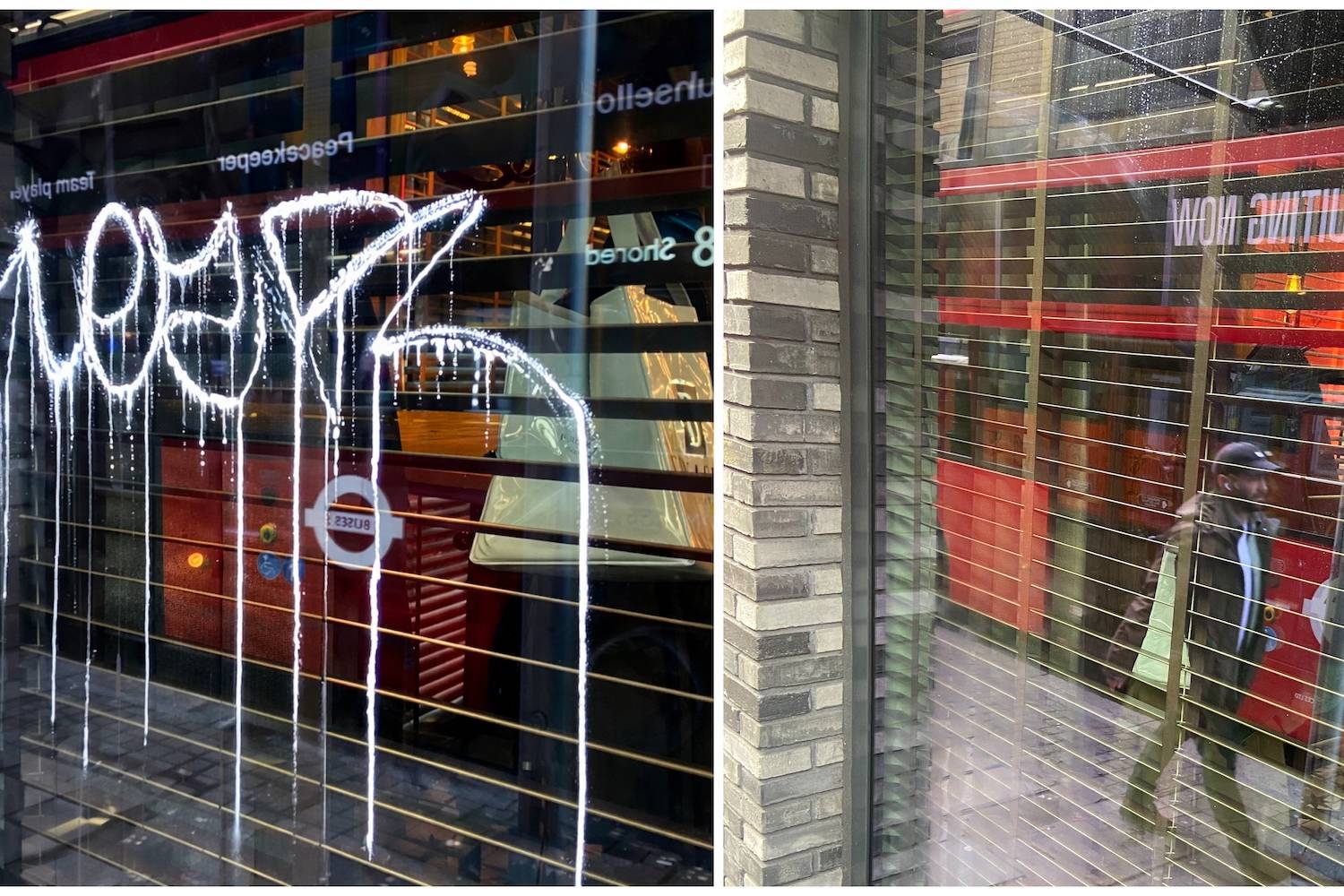
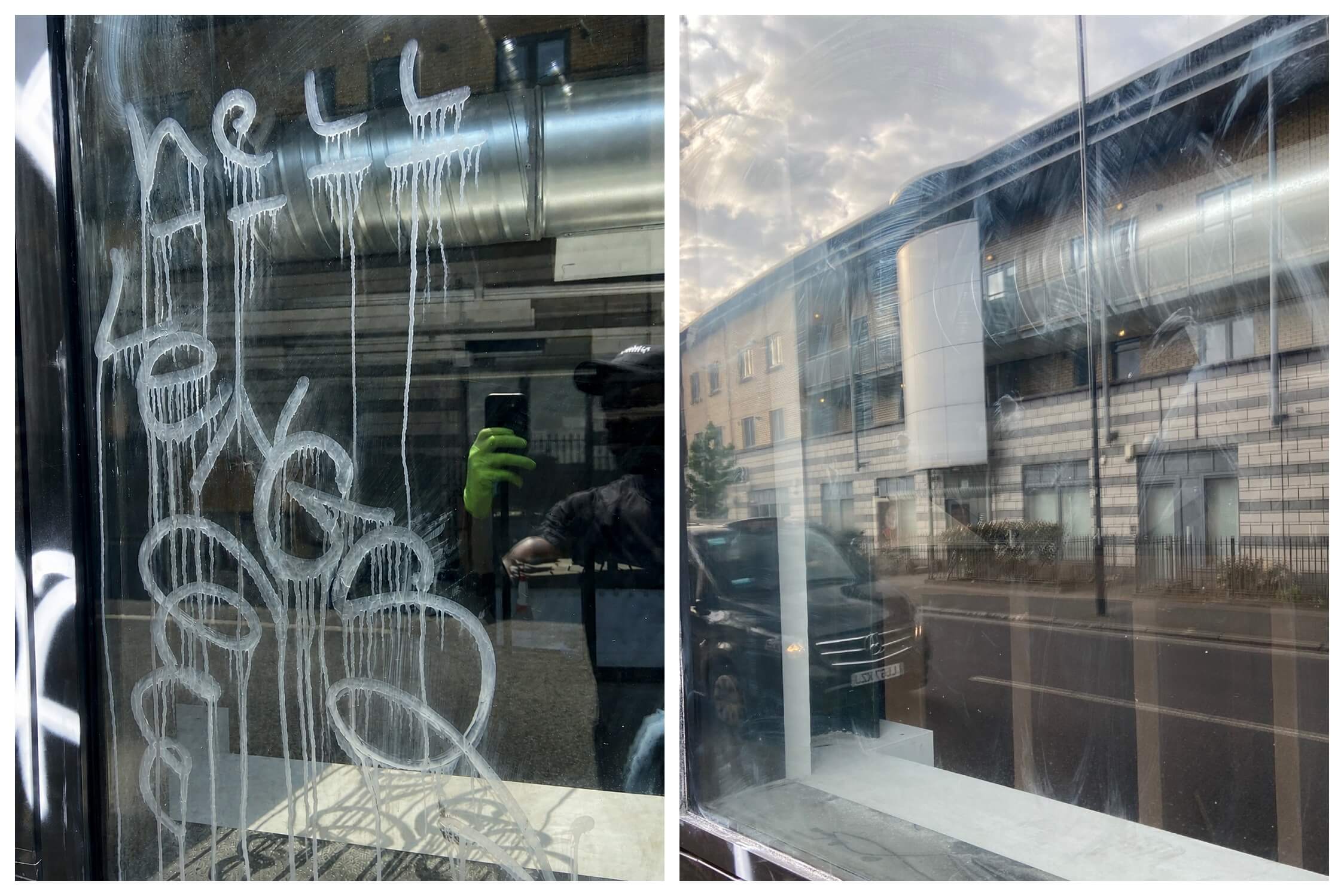
Walk into the ground-floor atrium of any premium corporate tower in Canary Wharf, the City of London, Paddington Square or King's Cross and the architectural intent is immediately legible. The glass is not background. It is the building's primary expression, bespoke curtain walls, structural glazing, frameless entrances, double-height atria, IGUs specified to optical-quality tolerances. Replacing a single damaged unit on any of these systems is not a small line item. The materials are bespoke, the access is non-trivial, the fabrication lead times are long, and the operational impact of boarded glazing on a corporate frontage is asymmetric, a building that has been positioned at the premium end of the market cannot afford to look like it has stopped maintaining itself.
Table of Contents
- Why Corporate Glazing Carries a Distinct Threat Profile
- The Architectural Hierarchy: Where Vulnerable Glass Sits in Corporate Buildings
- The Cost Picture for Corporate Glazing Replacement
- Why Corporate Procurement Differs from Retail
- Specifying Protection for Corporate Architecture
- Multi-Building and Estate-Wide Programmes
- The Specification That Protects Both the Asset and the Brand
- Frequently Asked Questions
Do you need acid etched graffiti removed from your property? Get a fast, hassle-free quote today! Click here to get a professional graffiti removal quote or call us today on: 020 8050 5997
This guide is for facility managers, asset managers, building operations leads and corporate property directors responsible for high-specification commercial buildings across London. It sets out why corporate glazing carries a distinct threat profile, the architectural hierarchy of vulnerable glass within typical corporate buildings, the cost picture that drives the protection conversation, and how the procurement process differs from retail and public sector buyers. For wider context, our pillar resource on anti-acid etched graffiti protection in London covers the full landscape.
Why Corporate Glazing Carries a Distinct Threat Profile
Corporate buildings face a vandalism threat profile that is meaningfully different from premium retail, although the protection specification often turns out to be similar. Three characteristics drive the difference.
Corporate buildings are physically larger than typical retail premises, with significantly more glass per building. A single corporate tower can easily carry 1,000 square metres or more of vulnerable ground-floor and accessible-elevation glazing, compared to 20–30 square metres on a typical retail shopfront. The aggregate replacement exposure is correspondingly higher.
Corporate buildings are operationally less time-sensitive than retail trading floors but more brand-coordinated across the global estate. A facility manager replacing a damaged pane in a Canary Wharf tower has more scheduling flexibility than a retail manager during peak trading, but is operating within a brand framework that demands consistency across the global property portfolio.
Corporate buildings are frequently multi-tenant, with the building owner, the property manager, and individual tenant occupiers all carrying overlapping interests in the condition of the frontage. Specification decisions and service contracts often need to satisfy multiple parties simultaneously.
The protection specification still converges on premium hard-coat sacrificial film, but the procurement conversation has more parties, more stages, and more documentation than the retail equivalent.
The Architectural Hierarchy: Where Vulnerable Glass Sits in Corporate Buildings
Not every pane in a corporate tower carries the same vulnerability. A practical specification covers the realistically accessible glazing rather than every IGU on every elevation. Five categories typically matter most for corporate property managers.
- Ground-floor curtain wall systems. The most exposed category. Continuous floor-to-soffit glazing at street level on premium corporate towers, accessible to anyone walking past. Acid-etch attacks and scratch damage at this level are the dominant threat scenario for most City of London and Canary Wharf buildings.
- Frameless entrance and revolving door glazing. Premium-spec glazing at the public interface of the building, frequently bespoke and structural. Replacement involves coordinated work with door mechanisms and access control systems, making damage operationally complex.
- Atrium and double-height entrance glazing. Reception areas, double-height entrance volumes, and grand-scale atrium glazing, all premium architectural features and all priced accordingly when replaced.
- Ground-floor retail and concession glazing within mixed-use buildings. Cafes, restaurants, banking branches and concession spaces at street level within larger corporate buildings. These often have separate ownership and service contracts but share the same threat profile as the wider building.
- Accessible first-floor glazing. Glass adjacent to balconies, terraces, fire escape access points and similar features that bring vandal access above ground floor. Typically a smaller part of the vulnerable inventory but significant where present.
Upper-floor IGUs without practical pedestrian access are not generally vulnerable to acid-etch or scratch attack, and a sensible specification reflects this. We confirm the realistic vulnerability map at site survey for any corporate building. Our explainer of how anti-graffiti window film actually works covers the underlying mechanism.
The Cost Picture for Corporate Glazing Replacement
Replacement costs for corporate glazing are at the upper end of the London commercial market. Three factors compound to produce the figures.
Glass specification. Curtain wall units, structural glazing and high-spec architectural panes are typically laminated or toughened double-glazed IGUs with solar-control or low-emissivity coatings, often with bespoke dimensions. Materials cost per pane regularly exceeds £3,000 and can reach £10,000 or more for the largest or most specialised units.
Access requirements. Many corporate ground-floor units require specialist access equipment, mechanical lifters, and sometimes mast climbers or scaffold towers for removal and replacement. Permits for pavement use or partial road closure on streets like Bishopsgate, Cheapside or Canada Square add further costs.
Coordination overhead. Replacement work in a fully occupied corporate building requires coordination with the building's management, facilities, security, tenants and often public realm authorities. Out-of-hours work is the norm. Site management and risk assessment documentation add real cost beyond the materials and labour.
The cumulative effect is that replacement of a single vandalised pane on a Canary Wharf or City of London tower can land between £5,000 and £15,000 all-in. Repeat events compound the figure rapidly. Our detailed comparison of the true cost of glass replacement against proactive window protection walks through every line item.
Why Corporate Procurement Differs from Retail
Corporate property procurement is more structured, more documented and more committee-led than retail. The implications for anti-graffiti specification are practical rather than philosophical.
Procurement processes typically run through facility management, with input from asset management, sustainability, security and sometimes corporate communications. The decision is rarely made by a single party. Documentation requirements are higher: technical specifications, manufacturer data sheets, sustainability credentials, insurance certificates, method statements, risk assessments, and service level documentation are all routine parts of corporate procurement.
Service contract terms are more carefully scoped than retail equivalents. Multi-year service relationships are the norm rather than the exception. Reporting requirements are formal, quarterly or annual reviews, asset registers, KPI tracking, response time auditing. Pricing transparency is expected.
The protection specification itself usually converges on the same premium hard-coat film that retail and public sector buyers also adopt, the technology is mature, the alternatives are weaker, and the cost-benefit is clear across all three market segments. Where corporate procurement differs is in the documentation, governance and contracting around the specification, rather than the specification itself. Our buyer-oriented ultimate guide to glass graffiti protection for businesses covers the procurement framework.
Specifying Protection for Corporate Architecture
For premium corporate buildings, the right specification choices are largely the same as for premium retail, with two corporate-specific refinements.
Premium hard-coat polyester film, internal application where practical. The visual outcome of the install is non-negotiable on premium corporate frontages. Premium film fitted by trained technicians delivers an effectively invisible result, which is the standard most corporate buildings require. We address the visual question more fully in our piece on whether anti-graffiti film blurs shop windows.
Comprehensive coverage of accessible glazing. For corporate buildings the vulnerable inventory is generally larger than retail, but the principle is the same: cover the realistically accessible glass, leave the genuinely inaccessible glass alone. A pragmatic specification produces meaningful cost discipline without sacrificing protective coverage.
Coordinated rapid-response service across all tenants. Multi-tenant buildings benefit from a single service contract covering all occupants, with consistent response framework and consistent specification. The building owner or property manager typically holds the contract on behalf of tenants, with cost recovery handled through service charge mechanisms.
Out-of-hours installation as standard. Corporate buildings typically have less trading-hours sensitivity than retail but are still active during business hours. Installation is normally scheduled out-of-hours, overnight or weekend, to avoid any disruption to building operations or tenant activity.
Compatibility with sealed insulated glazing units. Corporate glass is overwhelmingly IGU rather than single-pane. Premium anti-graffiti film is compatible with the outer surface of standard IGUs, with installation calibrated to avoid any compromise to the seal or to thermal performance specifications. We confirm compatibility with specific manufacturer specifications at survey.
Multi-Building and Estate-Wide Programmes
For corporate property portfolios, owner-occupier estates with multiple London buildings, REITs with diversified holdings, FM contractors managing multi-property contracts, the protection conversation runs at portfolio level rather than building level. The architecture and benefits parallel the retail multi-site picture but with corporate-specific refinements.
Specification consistency across the portfolio produces predictable visual outcomes, predictable service responses, and predictable budgets. Volume procurement reduces per-square-metre material cost meaningfully at scale. Coordinated service delivery simplifies operations for the central facility management function. Coordinated replacement scheduling allows budget smoothing across years and buildings. Single-point-of-contact contracting reduces contractor management overhead.
For occupier-led specifications, a global brand commissioning protection across all its London corporate offices, the approach is consistent with our retail multi-site framework. For property-management-led specifications, where an FM contractor manages film protection across a portfolio of buildings under multiple ownership, we work with the contractor as the primary client, coordinating with individual building owners as required.
The Specification That Protects Both the Asset and the Brand
For premium corporate buildings in any of the prominent London commercial districts, the protection specification serves two distinct purposes: it protects the physical asset against expensive replacement, and it protects the brand against visible failure on the frontage. Both arguments support the same conclusion: premium hard-coat sacrificial film, professionally installed, with documented rapid-response service across the realistically vulnerable glazing. To begin a no-obligation site assessment for a single corporate building or a multi-building portfolio in Greater London, request an instant quote through our online form, or call our team directly on 020 8050 5997. All day. Every day. Within three hours.
Frequently Asked Questions
How does corporate glass differ from retail glass in vulnerability terms?
The categories of attack, acid etching and mechanical scratching, are the same. The differences are in scale (corporate buildings have significantly more vulnerable glass per property), unit cost (premium IGU panes are more expensive to replace), and procurement governance (corporate purchases involve more parties and more documentation). Specification decisions converge on similar conclusions to retail.
What categories of corporate glazing typically need protection?
Ground-floor curtain wall systems, frameless entrance and revolving door glazing, atrium and double-height reception glass, ground-floor retail and concession glazing within mixed-use corporate buildings, and accessible first-floor glazing where balconies, terraces or fire escapes bring vandal access above street level.
Can film be retrofitted on existing curtain wall systems?
Yes, in nearly all cases. Internal application onto the inner face of curtain wall IGUs is standard, with no impact on the seal or thermal performance specifications. We confirm compatibility with the specific manufacturer specifications of your system at survey.
How does film integrate with sealed insulated glazing units?
Premium anti-graffiti film is applied to the outer face of the IGU (typically the inner surface of the inner pane for internal application), without compromising the inert gas seal or the thermal performance. The film does not interfere with low-emissivity or solar-control coatings on the glass.
What about coated solar-control glass on commercial towers?
Compatible in nearly all cases. Premium anti-graffiti film is applied without affecting solar-control performance, low-emissivity coatings, or any other functional treatment on the glass. Compatibility with specific coatings is confirmed at survey.
Is film compatible with structural glazing systems?
Yes. Structural glazing, frameless or silicone-bonded systems, accepts internal-face film application without any compromise to the structural performance. The film is not load-bearing and does not affect the structural specification of the glazing system.
Can protection be coordinated with corporate facility management programmes?
Yes. We routinely work with corporate FM teams as the primary contracting party, with coordinated installation scheduling, multi-year service contracts, KPI reporting and integrated asset management documentation. Multi-property and multi-tenant scenarios are routine.
How does service delivery work across multi-tenant buildings?
Service contracts are typically held by the building owner or property manager on behalf of all tenants, with consistent response framework and specification across all occupants. Cost recovery is handled through service charge mechanisms in standard commercial leases.
Does film affect the architectural intent of premium corporate frontages?
No. Premium-grade hard-coat film is optically clear and effectively invisible in all normal viewing conditions. The architectural expression of the building, including the relationship between glass, frame, and surrounding materials, is preserved exactly as designed.
How is film priced for corporate installations compared to retail?
Pricing is by area in square metres on the same basis as retail, with allowances for installation complexity, access requirements and pane format. Corporate installations typically benefit from volume pricing because the total area covered is larger, and from coordinated installation across multiple panes in single visits.
Can film be installed during normal corporate building operating hours?
It can but rarely is. Most corporate installations are scheduled overnight or at weekends to avoid any disruption to building operations or tenant activity. The installation itself is straightforward, but out-of-hours scheduling is the standard for premium corporate work.
How does film integrate with corporate building cleaning regimes?
Routine cleaning regimes apply to filmed glass with no modification, same products, same frequency, same protocols. We provide care guidance to building cleaning contractors at handover. The film is robust under all standard commercial cleaning practices.
What about ground-floor reception areas and atria?
Reception and atrium glazing is exactly the kind of premium corporate glass that benefits most from protection. Internal-face film application preserves the architectural intent while protecting against acid-etch and scratch damage. We have completed installations on numerous large-format atrium glazing units across central London.
Do corporate insurers offer premium adjustments for protected buildings?
Some insurers recognise sacrificial film as a risk-reduction measure and adjust premium pricing or excess levels. The effect varies by insurer and policy. For commercial property portfolios, the cumulative impact across multiple buildings can be material; we recommend confirming with your broker.
How do I begin a corporate property assessment?
You can request an instant quote through our online form, or call our team directly on 020 8050 5997. We provide tender-compliant submissions for corporate procurement, conduct comprehensive site surveys, and scope coordinated programmes across single buildings or full property portfolios.

Toby Doherty
Toby Doherty is a seasoned graffiti removal expert with over 20 years of experience in the industry. Throughout his career, Toby has helped countless businesses and property owners in London maintain clean, graffiti-free spaces. His extensive knowledge of graffiti removal techniques, from eco-friendly solutions to advanced technologies like laser cleaning, makes him a trusted authority in the field. Passionate about restoring urban environments, Toby combines his hands-on expertise with a commitment to staying up-to-date on the latest industry trends and innovations. When he’s not out in the field, Toby shares his insights through detailed articles, offering practical advice on everything from graffiti prevention to legal considerations.