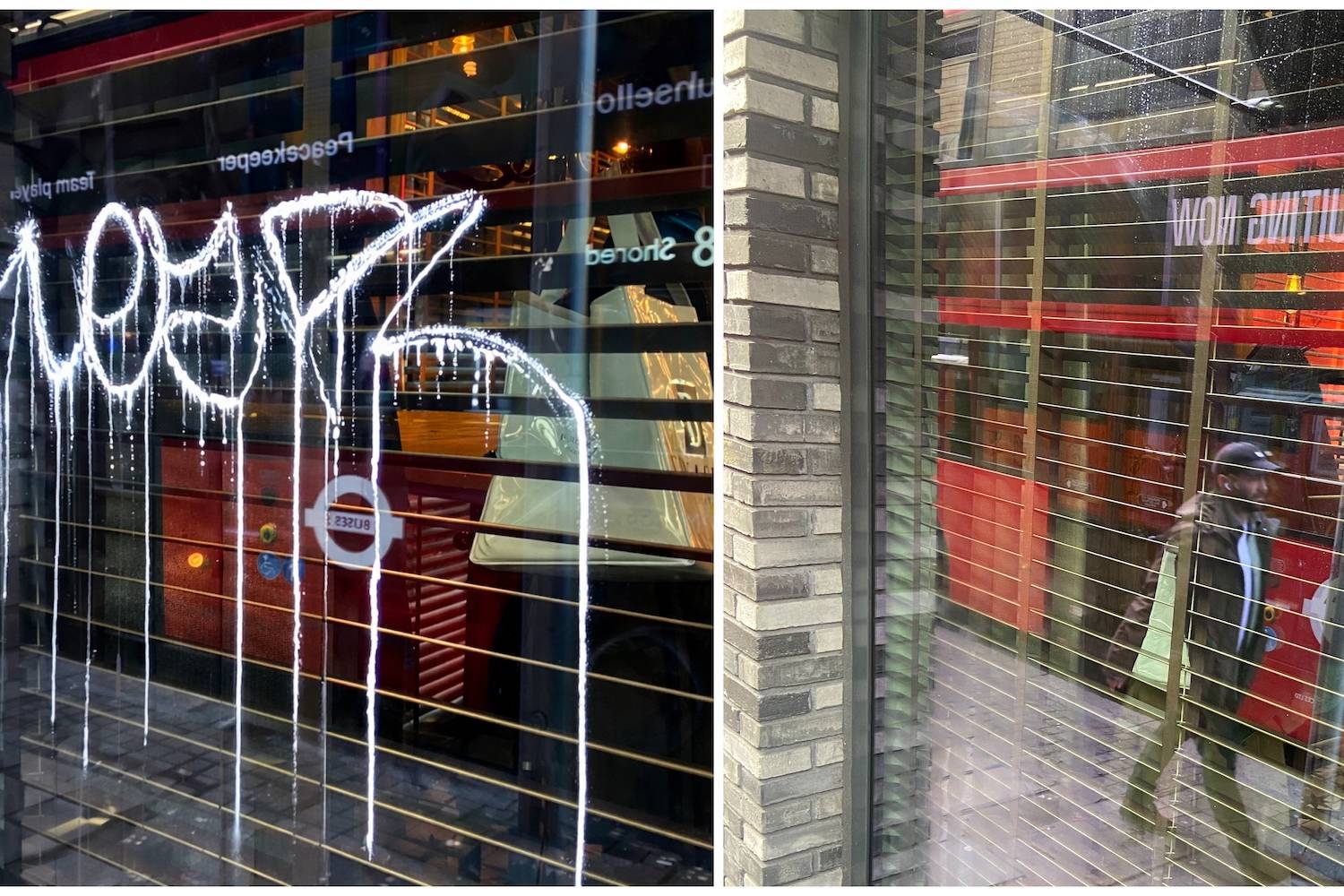
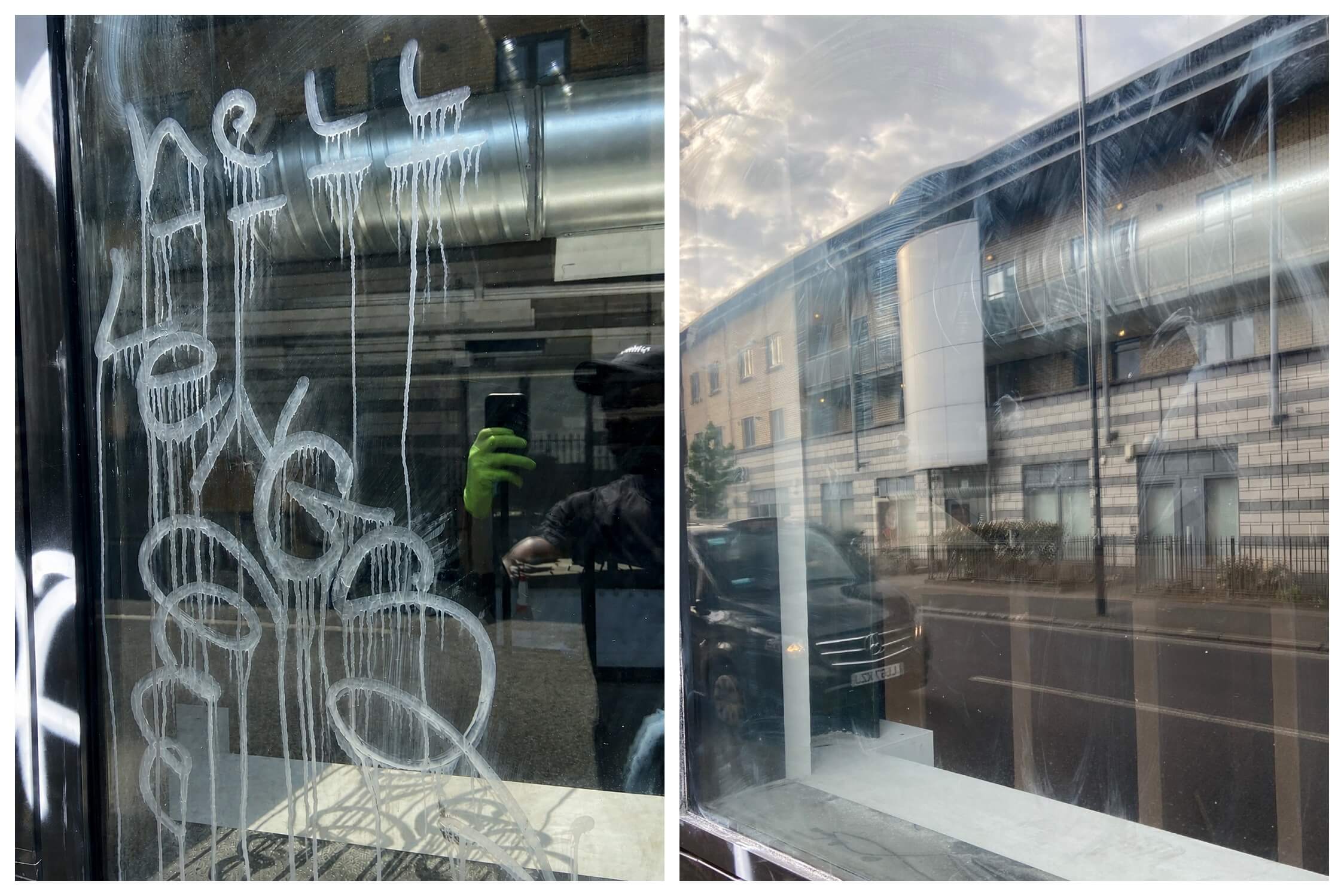
It is the single most common procurement objection we receive from retail managers, hospitality directors and commercial property managers considering anti-graffiti film for the first time. Phrased a dozen different ways, the concern is the same: will my customers see it? Will the film dull the display lighting? Will the polished granite of the brand take on a slight haze where the windows used to be flawlessly clear? Will an investment made to protect the frontage end up subtly degrading it instead? These are reasonable questions, and they deserve a direct answer rather than marketing reassurance.
Table of Contents
- Why the Concern Exists in the First Place
- How Premium Films Achieve Effectively Invisible Performance
- The Numbers in Practical Terms
- What Customers Actually See in the Real World
- Edge Cases Worth Knowing About
- Why Cheap Film and DIY Get a Bad Reputation
- How to Verify the Clarity Before You Commission
- The Visual Outcome We Engineer For
- Frequently Asked Questions
Do you need acid etched graffiti removed from your property? Get a fast, hassle-free quote today! Click here to get a professional graffiti removal quote or call us today on: 020 8050 5997
The short version of the answer is: with premium-grade hard-coat film professionally installed, no, your customers will not see the film, your displays will look identical to the day before installation, and the visual performance will hold up across the multi-year service life of the install. The longer version of the answer involves explaining why the concern exists at all, why basic films deserve the bad reputation that has attached to the category, how premium films achieve effectively invisible performance, and how you can verify the visual outcome before committing. For wider context across the entire silo, our pillar resource on anti-acid etched graffiti protection in London covers the full landscape.
Why the Concern Exists in the First Place
The blur concern is not paranoia. It is rooted in genuine experience with three distinct problems that have nothing to do with premium film and everything to do with what came before it.
The first is basic single-layer film. Earlier-generation anti-graffiti products used simpler polyester sheets without the engineered hard-coat outer layer that premium films now incorporate. They worked, technically. They also yellowed under sun exposure, hazed slightly under repeated cleaning, and produced visible refractive distortion at certain angles. Many retail managers' frame of reference for "what film looks like" is anchored to this generation of product, which is genuinely no longer representative of what is installed today.
The second is poor installation. Even the best film will look terrible if it is fitted with bubbles, edge curl, air entrapment, contamination beneath the bond, or imprecise edge trim against the frame. We have stripped and re-installed plenty of jobs originally fitted by contractors who treated the install as a quick application rather than a precision technique. The film was fine; the installation was not.
The third is DIY application. Online kits marketed for owner-operator installation produce predictably bad outcomes, wrinkles, bubbles, contamination, peeling edges, visible margins. The film fits, in a manner of speaking. The result is invariably visible to anyone within ten feet of the window.
If your reference point for "anti-graffiti film" is one of these three scenarios, your scepticism is justified. The category did used to look the way you remember. Premium hard-coat film fitted by trained installers is a different proposition entirely. Our deeper technical explainer of how anti-graffiti window film actually works sets out the layer construction in detail.
How Premium Films Achieve Effectively Invisible Performance
Optical clarity in modern anti-graffiti film is not an accident or a marketing claim. It is engineered through several converging design choices that together produce a film that is, in normal viewing conditions, indistinguishable from the bare glass it is bonded to.
- Refractive index matching. The polyester laminate body and the optically clear adhesive are formulated with refractive indices close to that of soda-lime float glass. Light passing from air, through the film, through the adhesive, into the glass encounters minimal interface reflection at each layer transition. The visual impact at any single interface is small; the cumulative impact is small enough to be invisible to the unaided eye.
- High-grade polyester sourcing. Premium films use polyester sheets manufactured to optical-quality standards, free of haze, inclusions, or particulate contamination that would otherwise scatter light and reduce clarity. The cost differential against industrial-grade polyester is real but small relative to the visual outcome.
- UV-stable hard-coat formulations. The outer hard coat, the layer that does most of the work in absorbing damage, is engineered with stabilisers that resist yellowing, hazing or chalking under prolonged UV exposure. This is the property that determines whether the film still looks invisible three years after install.
- Precision installation technique. A defect-free bond, with no air entrapment, no edge curl, no contamination, and tight edge finishing against the frame, is what turns a high-grade film into a visually invisible one. The same film fitted poorly looks bad; fitted properly, looks like nothing at all.
The combined effect of these four engineering decisions is a film that reduces light transmission by a few percent at most, has no visible colour cast, no detectable haze, no visible edge, no surface texture, and that is, by design, what your customers see when they look through it.
The Numbers in Practical Terms
For decision-makers who want concrete figures rather than reassurance, the visual performance of premium hard-coat anti-graffiti film typically lands in the following range:
- Visible light transmission: typically 88–94% depending on grade, compared to roughly 90% for an equivalent unfilmed pane. Net reduction is in the low single digits, well below the threshold at which the unaided eye perceives a difference.
- Haze: less than 1% on premium grades, well below the threshold at which haze becomes visually apparent.
- Colour shift: effectively neutral. Premium films are engineered to avoid the green, blue or yellow cast that lower-quality polyester can introduce.
- Surface gloss: matched to typical glass gloss, with no visible difference in surface reflection between filmed and unfilmed panes when viewed side by side.
The numbers vary slightly by manufacturer and product grade. We confirm the specific specification at site survey and can supply detailed optical data sheets for any product we install. Your procurement function can confirm the figures match the requirements before commissioning.
What Customers Actually See in the Real World
The simplest test is the one our installations consistently pass: customers who walk past a filmed shopfront on their normal commute and have walked past it in its previous unfilmed state do not notice that anything has changed. Window dressers who arrive to set up displays do not adjust their workflow. Photographers shooting frontages for marketing material do not alter their lighting. Architects and lighting designers do not commission redesigns. The visual outcome of the install is, in practical terms, that nothing visible has happened to the frontage at all.
This is the result we engineer for, and the standard we hold ourselves to. If a retailer or hospitality client can see the film once it is in place, the install has not been done correctly, and we strip and re-install at our cost. The premium aesthetic of a London retail or hospitality frontage is the asset we have been engaged to protect; allowing the protection itself to degrade that aesthetic would defeat the whole point. Our companion piece on window graffiti protection for London storefronts covers the broader retail picture.
Edge Cases Worth Knowing About
The honest answer includes scenarios where film visibility can become marginally apparent, not in normal use, but at specific viewing angles or under specific conditions. Understanding these helps you make a fully informed specification decision.
Direct close-up inspection. If you press your nose to the glass and look at the very edge of the film against the frame, you may be able to see the boundary. This is true of every applied film and is not a defect. Customers do not press their noses to the glass at the frame; passers-by do not inspect edges at three centimetres.
Extreme oblique angles. At grazing angles approaching parallel with the glass surface, all films, including premium grades, show subtle interference patterns that are not visible at normal viewing angles. This is a function of the laminate's layered construction and is shared with most architectural glazing films. It is rarely visible in practical retail viewing.
Specific lighting scenarios. Under particular combinations of strong directional internal lighting and dark external conditions, the slight surface gloss of the film can create a faint additional reflection. This is a marginal effect and rarely material in retail or hospitality settings.
None of these scenarios is a deal-breaker for the vast majority of London commercial premises, and all of them are covered in pre-installation discussion so that your decision is fully informed.
Why Cheap Film and DIY Get a Bad Reputation
The category as a whole sometimes carries a reputational hangover from products that genuinely did look bad. We address this directly because pretending otherwise is unconvincing. Three things separate good film from bad in visual terms:
Cheap films use industrial-grade polyester rather than optical-grade, and basic adhesives rather than refractive-index-matched ones. Both choices save a small amount on per-square-metre cost and produce a noticeably worse visual outcome. The savings disappear once the install has to be redone. Cheap films also tend to use less stable hard-coat formulations, which yellow or haze faster under London sun and pollution exposure. The film looks acceptable on day one and significantly less acceptable two years later.
DIY application introduces every defect that premium installation specifically eliminates: bubbles, wrinkles, contamination, edge curl, imprecise trim, air entrapment. The film itself may be fine; the install is not. We have completed many strip-and-replace jobs after DIY attempts where the cost of remediating the failed install plus a fresh premium specification exceeds the cost of doing it right the first time.
The conclusion the category's reputation has earned, in fairness, is that some film looks bad. The conclusion that follows from current technology and trained installation is more specific: premium hard-coat film, professionally fitted, looks like nothing.
How to Verify the Clarity Before You Commission
The right answer to scepticism about visual performance is not to take our word for it. It is to verify it in advance. Three things help.
First, ask for a physical sample of the specific film grade we are proposing for your premises. Hold it against your own glass under the actual lighting your customers will see. The visual outcome will be obvious within ten seconds. Second, ask for completed-installation references in similar London buildings. We will arrange visits or photographs of work in comparable retail, hospitality or corporate frontages where you can see the result in situ. Third, ask for the detailed optical specification of the film we are proposing, the visible light transmission, haze, colour shift figures, and confirm with your procurement function that they meet your requirements.
If, having done all three, you remain concerned, we are happy to install a single test pane in a low-visibility location on your premises so you can evaluate the result on your own glass before committing to the full installation. The first install pays for itself the first time the rest of the frontage is targeted; we want you confident in the visual outcome before that point. Our piece on specifying glass graffiti protection covers the wider procurement framework.
The Visual Outcome We Engineer For
The answer we want every London retail, hospitality and commercial property manager to receive from their first installation is the same: nothing visible changed. Customers walked past as before. Displays performed as before. The frontage looked the same on day one as on day three hundred, except that the next acid attack hit the film, not the glass, and was remediated within ninety minutes without disrupting trading. To verify the visual outcome on your own premises before commissioning, request an instant quote through our online form, or call our team directly on 020 8050 5997. We attend across all London boroughs, all day, every day, within three hours.
Frequently Asked Questions
Will my customers be able to see the film once it's installed?
In normal viewing conditions, no. Premium-grade hard-coat film is optically clear, with light transmission losses in the low single digits. Customers walking past, browsing displays, or interacting with the frontage will not see that anything has been added to the glass.
Will the film dull my display lighting?
No, in any practical sense. The few-percent reduction in visible light transmission is well below the threshold at which lighting effects are perceptible. Window-display lighting performs identically before and after installation in real-world retail conditions.
Does the film affect colour appearance through the glass?
Premium-grade films are engineered to be neutral in colour, with no perceptible green, blue, yellow or other cast. Merchandise viewed through filmed glass appears in the same colours as merchandise viewed through bare glass. We can confirm specific colour-shift figures from the optical spec sheet at survey.
Will the film haze or fog over time?
Premium films use UV-stable hard-coat formulations specifically engineered to resist hazing, yellowing or surface degradation across the multi-year service life. Cheap films may haze; premium films do not, in normal commercial conditions.
Does the film create reflections, glare or sparkle?
Premium-grade film matches the surface gloss of typical commercial glass closely, so reflection characteristics are essentially unchanged. There is no added sparkle, no added glare, and no perceptible additional reflection in normal viewing.
Can the film be applied to curved or shaped glass?
In most cases, yes. Curved glazing requires more careful installation technique to maintain a uniform bond around the curve, but the visual outcome is comparable to flat glass on most curves seen in commercial retail. We confirm at survey for non-standard shapes.
Will branded vinyl applied over installed film show through correctly?
Yes. Branded vinyl applied over premium-grade film looks identical to vinyl applied directly to bare glass. The film does not interfere with vinyl adhesion, colour, or visual presentation. New signage can be installed over filmed glass without difficulty.
What does the film look like at night with interior lighting?
Identical to bare glass under interior lighting. The film does not introduce additional reflections, hot spots or visible haze under typical retail and hospitality interior lighting at night. The frontage looks the same illuminated as it does in daylight.
Will the film affect the appearance of frosted or decoratively etched glass?
Film can be applied around or over decorative treatments without affecting their appearance, depending on the specific configuration. Where the decorative treatment is itself the brand element, application is sequenced carefully at survey. The visual outcome is preserved.
How does anti-graffiti film compare aesthetically to safety film?
Premium anti-graffiti film is generally clearer than typical safety film, which is engineered for impact retention rather than optical performance. Both can be installed together where required, with the visual outcome confirmed at survey based on the specific products used.
Can I see physical samples of the film before commissioning?
Yes. We provide physical samples of the specific film grade proposed for your premises so you can hold it against your own glass under your actual lighting. The visual outcome is typically obvious within seconds.
Will small bubbles or imperfections form over time after installation?
Properly installed premium film does not develop bubbles or imperfections after install. Bubbles or wrinkles appearing months later usually indicate a contamination issue or installation defect, which we cover under our installation warranty. Premium installations remain visually clean across the service life.
What if I install the film and don't like how it looks afterwards?
This is a rare scenario with premium installations, but the film can be removed cleanly using the same engineered protocol as damage-driven removal, returning the substrate to bare glass. We arrange a pre-install verification process for clients with significant aesthetic concerns to avoid this scenario altogether.
How does the film perform visually in direct sunlight?
Premium-grade film performs visually identically to bare glass under direct sun exposure, with no visible haze, sparkle, or distortion. UV-stable formulations ensure this performance is maintained across the service life.
How do I obtain a sample to evaluate before commissioning?
You can request an instant quote through our online form, or call our team directly on 020 8050 5997. We will arrange a sample of the proposed film grade for evaluation at your premises as part of the no-obligation site survey.
Toby Doherty
Toby Doherty is a seasoned graffiti removal expert with over 20 years of experience in the industry. Throughout his career, Toby has helped countless businesses and property owners in London maintain clean, graffiti-free spaces. His extensive knowledge of graffiti removal techniques, from eco-friendly solutions to advanced technologies like laser cleaning, makes him a trusted authority in the field. Passionate about restoring urban environments, Toby combines his hands-on expertise with a commitment to staying up-to-date on the latest industry trends and innovations. When he’s not out in the field, Toby shares his insights through detailed articles, offering practical advice on everything from graffiti prevention to legal considerations.